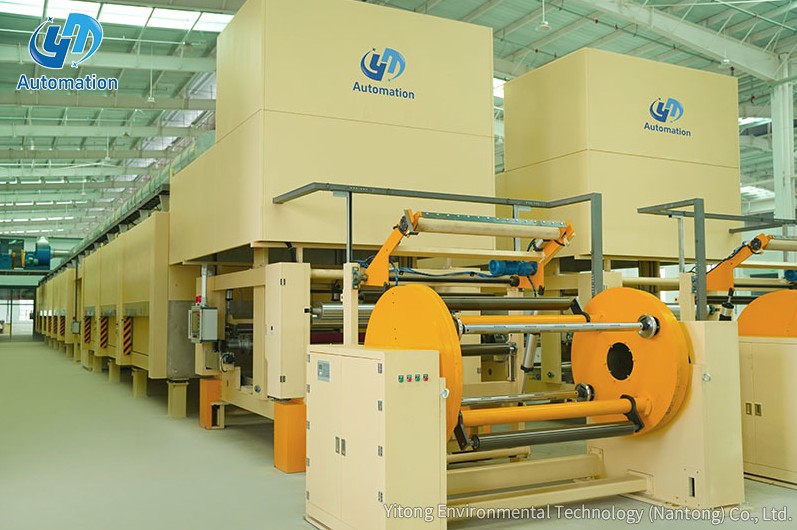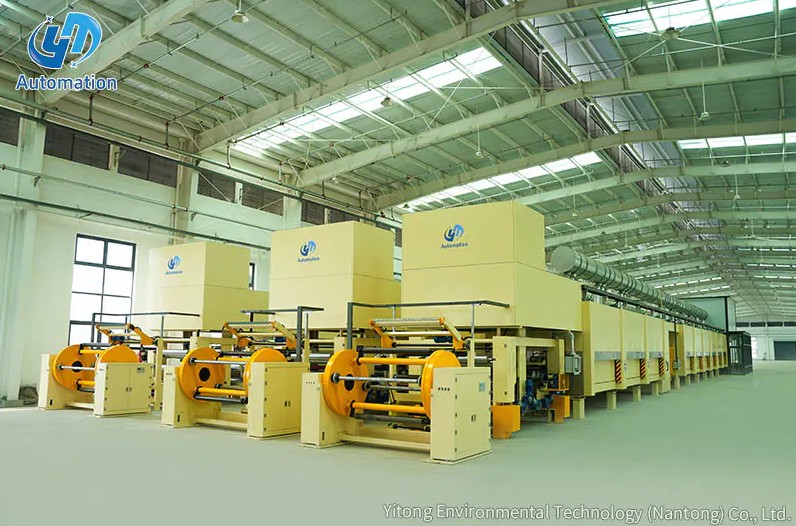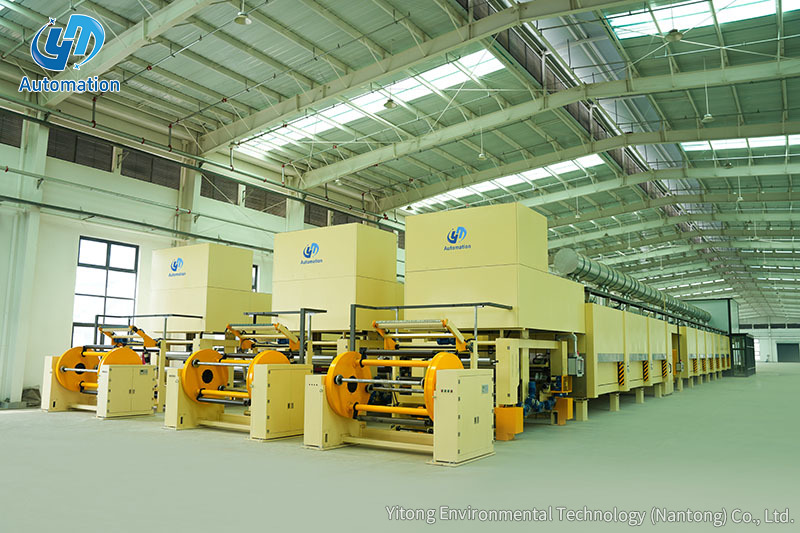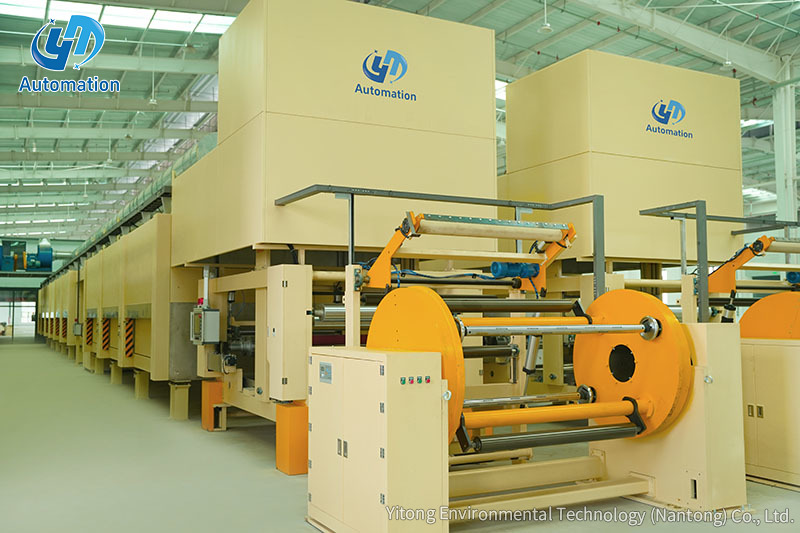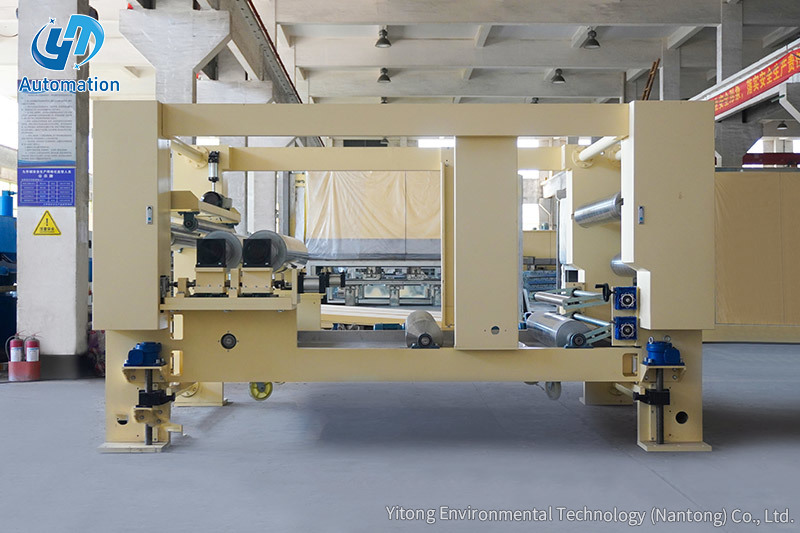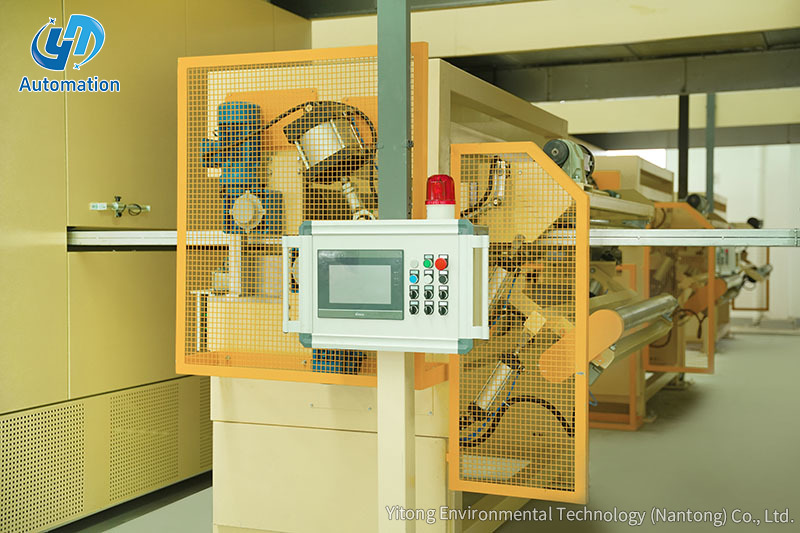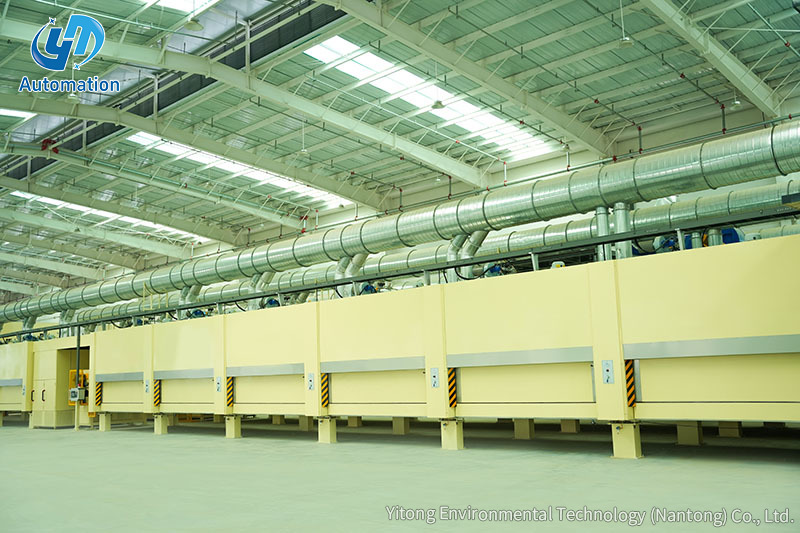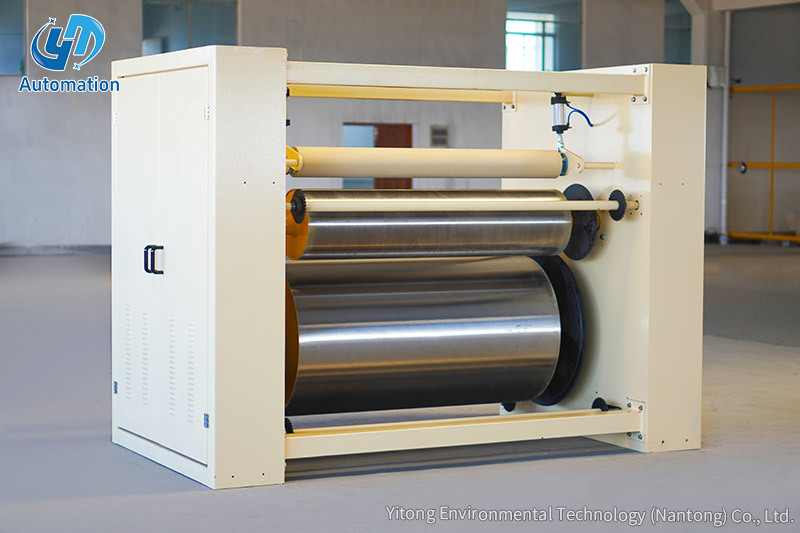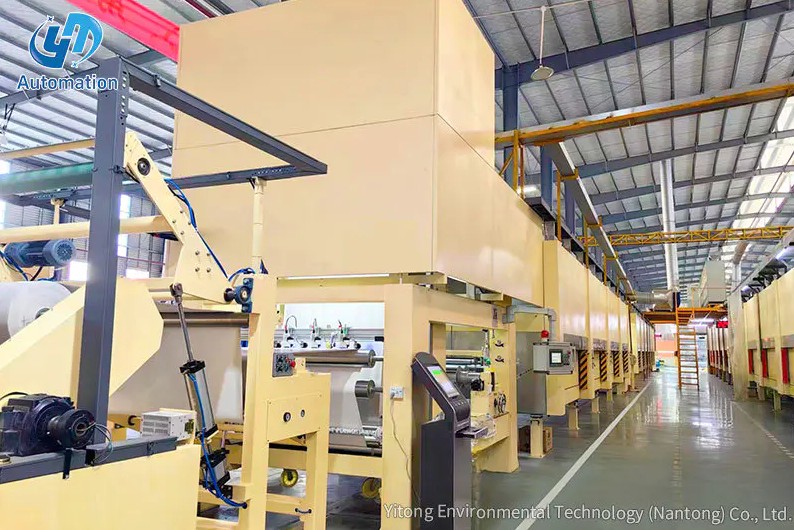
A Forgó letekercselő úgy működik, hogy egy tekercs papírszalagot egy forgó tengelyre vagy tokmányra támaszt, majd aktívan szabályozza az adott tengelyre kifejtett fordulatszámot és fékezőnyomatékot, miközben a továbblépési folyamat lehúzza az anyagot a tekercsről. Az alapelv a folyamatos feszítésszabályozás: mivel a tekercs átmérője letekercselés közben csökken, ugyanaz a lineáris szalagsebesség fokozatosan kisebb forgatónyomatékot igényel, és a letekercselő vezérlőrendszere automatikusan kompenzál, hogy a tekercs élettartama során stabil, egyenletes szalagfeszességet tartson fenn. A Yitong Environmental Technology egyértelműen leírja ezt a funkciót: a forgó lecsévélő folyamatosan adagolja az anyagtekercset a későbbi átalakítási, nyomtatási, bevonási vagy laminálási folyamatba, szabályozott sebességgel és feszültséggel, miközben az anyag elfogy, forgatja az alaptekercset, és megszakítás nélkül fenntartja a folyamatos szalagadagolást (Forrás: Yitong Environmental Technology, What Is a Rotációs letekercselő). A feszítés pontossága számít, mert az inkonzisztens feszítés ráncokat, töréseket, regisztrációs hibákat és nyomtatási hibákat okoz, amelyek javítása időbe és anyagba kerül.
A forgó letekercselő működésének megértéséhez segít megérteni a problémát, amelyet megoldani kell. A webalapú gyártási folyamatok, beleértve a nyomtatást, hasítást, bevonást, laminálást és rugalmas csomagolás átalakítását, mind folyamatos, stabil feszültségű anyagáramlást igényelnek, amely egyenletes sebességgel lép be a gépbe. A nyersanyag feltekercselt tekercsként érkezik, a tekercselés alapvető mechanikai kihívást jelent: mivel a tekercs kívülről befelé fogyasztják az anyagot, a tekercs átmérője folyamatosan csökken. Állandó tengelysebesség mellett a kisebb átmérőjű tekercs kevesebb szalagot ad le fordulatonként. Egy egyszerű fékrendszerrel állandó feszültségnél a feszültség az átmérő csökkenésével nő, mert ugyanaz a féknyomaték most egy kisebb nyomatékkarra hat.
A Jota Machinery ezt közvetlenül elmagyarázza: a letekerhető állvány sokkal több, mint egy mechanikus tartó; ez egy gondosan megtervezett rendszer, amely támogatja a nehéz jumbo tekercseket, szabályozza a feszültséget a tekercs átmérőjének csökkenésével, és egy vonalban tartja a szalagot, amikor belép az alsó szakaszokba. A megfelelő kialakítás megakadályozza a ráncokat, a töréseket és az egyenetlen éleket, amelyek órákig tartó állásidőbe és a termék konzisztenciájába kerülnek (Forrás: Jota Machinery, What Is an Unwind Stand). A forgó letekercselő ezt a csökkenő átmérőjű problémát egy átmérő-érzékelő vezérlőhurkon, egy görgős visszacsatoló rendszeren vagy egy erőmérő cella feszültségmérő rendszerén keresztül kezeli, amelyek mindegyike folyamatosan állítja a letekercselési nyomatékot, hogy kompenzálja a változó hengergeometriát.
A forgó letekercselő több mechanikai és vezérlő alrendszert integrál, amelyek mindegyike egy adott funkciót lát el a szalagkezelési sorrendben.
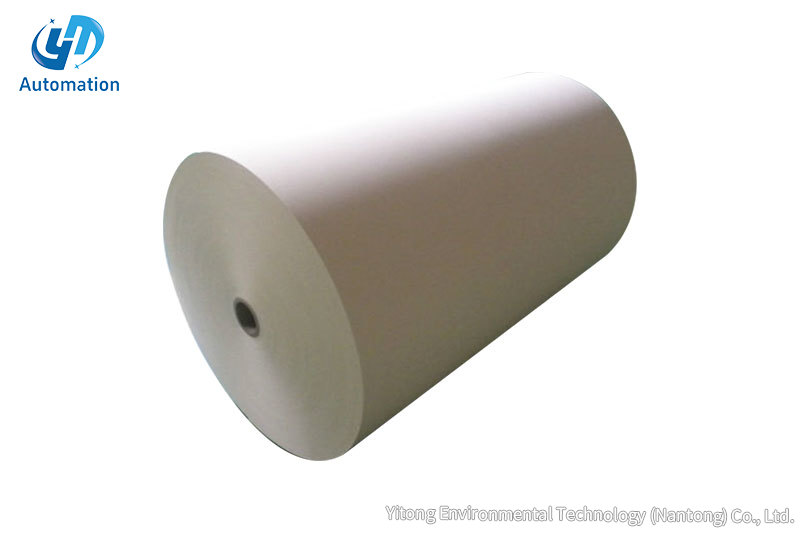
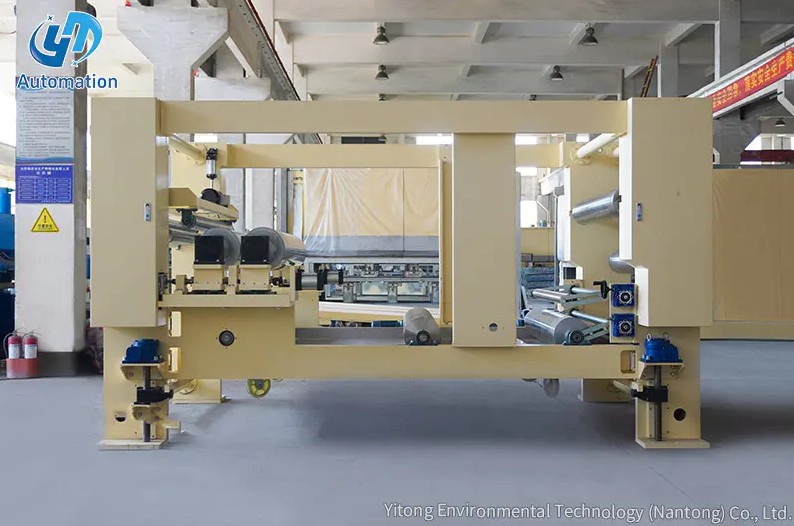
A fő keret biztosítja a szerkezeti alapot, amely támogatja a szülőhenger súlyát, és ellenáll a szalaghúzás, gyorsítás és lassítás során keletkező dinamikus erőknek. A görgőtámasz két fő formája lehet: egy tengelyes kialakítás, ahol a tüsketengelyt a tekercsmagon keresztül csavarják át, és az oldalra szerelt csapágyakba rögzítik, vagy egy tengely nélküli kialakítás, ahol a hidraulikus vagy mechanikus tokmányok mindkét végről a tekercsmagba tágulnak anélkül, hogy teljes hosszúságú tengelyre lenne szükség. A Jota Machinery megjegyzi, hogy a tengely nélküli toronyrendszereket rugalmas csomagolófóliákhoz használják, hogy biztosítsák a nyújtható anyagok zökkenőmentes kezelését, míg a tengely alapú kialakítások gyakoribbak a merev fólia-, papír- és fólia-alkalmazásoknál, ahol a mag visszatartása kevésbé aggaszt (Forrás: Jota Machinery, What Is an Unwind Stand). A papír alaptekercsek súlya több tonna is lehet, és átmérője meghaladhatja a 2500 mm-t, ezért nagy teherbírású keretkonstrukciót és nagy nyomatékú feszültségszabályozást igényel a biztonságos kezelés (Forrás: Yitong Environmental Technology, What Is a Rotary Unwinder).
A fék- vagy hajtórendszer az, amely fizikailag szabályozza a görgőtengely forgását az utánfutó gép által kifejtett szalaghúzásra válaszul. Három fő működtetési technológiát alkalmaznak.
A pneumatikus fékrendszerekben a letekercselő tengelyen lévő tárcsa- vagy dobfékre gyakorolt légnyomás létrehozza azt a fékezőnyomatékot, amely ellenáll a lefelé irányuló folyamat húzásának. Az alapvető mechanikai megközelítés pneumatikát vagy rugókat használ, hogy egyensúlyba hozza a forgó táncoló vagy forgó szövedék erejét a letekercselő tengelyen lévő fékekkel szemben, amint azt a Label and Narrow Web ismerteti a berendezés konfigurációk átalakításának műszaki áttekintésében (Forrás: Label and Narrow Web, Rewinds, Unwinds and Splicers). A légnyomást a feszültségszabályozó valós időben modulálja, hogy kompenzálja a csökkenő tekercsátmérőt.
Mágneses porfékrendszerekben a porral töltött tengelykapcsolón áthaladó elektromos áram hozza létre a fékezőnyomatékot, a nyomatékkimenet pedig arányos az alkalmazott áramerősséggel. Ez nagyon sima, elektronikusan precíz nyomatékmodulációt tesz lehetővé a mechanikus fékeket befolyásoló hiszterézis hatások nélkül.
A hajtott letekercselős konfigurációkban a regeneratív motor aktívan szabályozza a tengely fordulatszámát ahelyett, hogy csak fékezne. Ez lehetővé teszi, hogy a lecsévélő pontosabban kezelje a nagy tehetetlenségű, nagy átmérőjű tekercseket gyorsítás és lassítás során, és részt vegyen a feszültségszabályozásban a motorsebesség változtatásával a táncos helyzetére vagy a mérőcellák visszacsatoló jeleire reagálva.
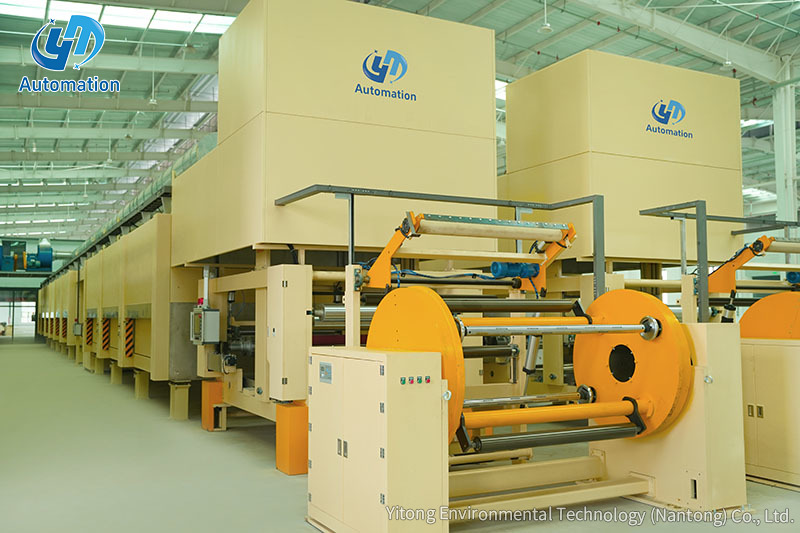
A táncoló görgő az az alkatrész, amely a legközvetlenebbül tartja fenn a folyamatos feszültségszabályozást a letekercselő és az utánfutó folyamat között. A táncolóhenger egy szabadon lebegő görgő, amely a szalagon nyugszik a letekercselő tengely és az első rögzített rés vagy vezetőgörgő között. A Montalvo Corporation leírja az elvet: minden táncos feszességszabályzónak van egyirányú görgője vagy karja, amelyek egy irányban vannak előfeszítve, és amikor a táncoló tekercs fölé húzzák a hálót, az a helyzetében bekövetkező bármilyen változásra reagálva mozog, a mozgás tükrözi a szövedék feszültségének változását, és egy érzékelő figyeli ezt a pozíciót a hajtás mozgásának szabályozására (Forrás: Montalvo Tension Control Basics).
A táncoló görgő egyszerre működik mechanikus pufferként és érzékelőként. Amikor a lefelé irányuló folyamat több szalagot húz, mint amennyit a letekercselő lead, a táncoló leesik, és a vezérlőrendszer a fékezőnyomaték csökkentésével vagy a motor sebességének növelésével reagál az ellátás helyreállítására. Amikor a kínálat meghaladja a keresletet, a táncos felemelkedik, és a rendszer jobban fékez vagy csökkenti a sebességet. A Yitong Environmental Technology jelentése szerint az erőmérő cellarendszerek, ahol az erőátalakítók egy rögzített görgőn mérik a tényleges szalagfeszességet, a feszültségszabályozás pontosságát érik el. plusz-mínusz az alapjel 1-3 százaléka stabil működési feltételek mellett (Forrás: Yitong Environmental Technology, What Is a Rotary Unwinder).
Még egy jól feltekert tekercs is mutat némi oldalirányú szalagvándorlást, amikor a tekercs letekercselődik az élváltozás, a mag teleszkóposodása vagy az anyagszélesség inkonzisztenciája miatt a tekercs szélességében. A szalagvezető rendszer ezt úgy korrigálja, hogy érzékeli a szalag szélének vagy középvonalának helyzetét, és áthelyezi vagy a letekercselő állványt vagy egy kormánygörgőt, hogy a szalag középen maradjon, amikor belép az áramlási folyamatba. Szövedékvezetés nélkül a szalag oldalirányú elsodródása eltolódást okozna a nyomtatási bejegyzésben, egyenetlen vágási vágásokat, és a szalag szélességében a bevonat fedési problémáit.
A letekercselő működésének műszakilag legigényesebb szempontja az állandó szalagfeszesség fenntartása a teli tekercstől a majdnem üres magig, mivel a tekercs geometriája folyamatosan változik, és ezzel együtt változik a megfelelő fékezőnyomaték is.
A Newton-ban vagy fontban kifejezett szövetfeszültséget a letekercselő tengelyre kifejtett fékezőnyomaték és az aktuális gördülési sugár közötti összefüggés határozza meg. Ahogy a tekercs átmérője csökken, ugyanaz a szalagfeszesség fokozatosan kisebb fékezőnyomatékot igényel, követve a következő összefüggést: a feszültség egyenlő a nyomaték sugárral osztva. Az a vezérlőrendszer, amely a fékezőnyomatékot állandóan tartja, amikor a tekercs átmérője csökken, fokozatosan túlfeszíti a szalagot, és végül szalagtörést okoz. Az a rendszer, amely az átmérő csökkenésével arányosan csökkenti a nyomatékot, állandó feszültséget tart fenn a teljes tekercs élettartama alatt.
A vezérlőrendszernek ismernie kell az aktuális tekercsátmérőt, hogy bármikor kiszámíthassa a helyes nyomatékparancsot. A gyakorlatban három megközelítést alkalmaznak. Az ultrahangos vagy lézeres átmérőérzékelők közvetlenül, valós időben mérik a tekercs átmérőjét, és ezt az értéket továbbítják a feszültségszabályozóhoz. A forgójeladó-alapú számítás a tengely fordulatszáma és a szalag sebessége közötti összefüggést használja, amelyet a fordulatszámmérő utáni görgőn mérnek, hogy matematikailag számítsák ki a tekercsátmérőt közvetlen mérés nélkül. A táncoló pozíció integrációja a táncoló görgő helyzetének időbeli előzményeit használja az elfogyasztott anyag nyomon követésére és az aktuális átmérő megállapítására.
A Mitsubishi Electric feszültségszabályozási mérnöki referenciája ezeket azonosítja a feszültségszabályozási módszerek fő kategóriáiként, és besorolja őket a kézi, nyitott hurkú tekercsátmérő-érzékelés és a zárt hurkú feszültség-visszacsatolás közé, a zárt hurkú visszacsatolási megközelítés biztosítja a legjobb pontosságot a nagysebességű konvertáló alkalmazásokhoz (Forrás: Mitsubishi Electric, Compact Control Tension Control T Factory Automation Guide).
A forgó letekercselő nem szabályozza a feszültséget a teljes gyártósoron. Szabályozza a feszültséget a letekercselési zónában, amelyet a Montalvo Corporation a letekercselés és a lefelé irányuló első mesterhajtás közötti zónaként határoz meg (Forrás: Montalvo Corporation, Dancer Roll Tension Control Basics). A downstream feldolgozási zónák és a visszatekercselési zónák mindegyike saját feszültségszabályozó hurokkal rendelkezik. A letekercselő feladata, hogy következetesen megfeszített szalagot biztosítson az első lefelé vezető réshez, ahol a feszítésszabályozás átmegy a következő zóna vezérlőrendszerére.
A nagy volumenű átalakítási műveleteknél a gyártósor leállítása minden alkalommal, amikor egy tekercs kifogy, jelentős hulladékforrás és termelékenységcsökkenés. A sajtológép visszaállítása a regiszterbe és a leállítás utáni gyorsulása anyag- és időigényes, az újraindításkor keletkező selejt pedig közvetlenül növeli a gyártási költségeket. A forgó letekercselő automata toldórendszere kiküszöböli ezeket az ütközéseket azáltal, hogy a lejáró henger végét egy új tekercs elülső éléhez csatlakoztatja, miközben a sor gyártási sebességgel halad tovább.
A Paper, Film and Foil Converter leírja ennek a folyamatnak a bevált gyakorlatait: a toldás helyének nyomon követése a letekercseléstől a tekercselőig az átalakítási szakaszokon keresztül, a magfelismerő funkció alkalmazása a maradék szalag minimalizálása érdekében a lejáró tekercsben, a kötés előkészítésének egyszerűsítése a konzisztens illesztési pozíció biztosítása érdekében, valamint a ragasztótekercs technológia használata a pontos kötési tekercs-technológiával és a termék elektromechanizmusának minimalizálása érdekében. (Forrás: Paper Film and Foil Converter, Efficiency in Winding and Unwinding). Ha helyesen hajtják végre, az automatikus toldás lényegében láthatatlan a lefelé irányuló folyamat számára, mivel a táncoló görgő elnyeli az összeillesztési esemény során fellépő átmeneti feszültséget.
A forgó letekercselők mindenhol megjelennek, ahol egy tekercs anyag a folyamatos gyártási folyamat bemenete.
A forgótekercselő specifikációinak és az alkalmazási követelményeknek való megfeleltetése határozza meg, hogy egyenletes, problémamentes működést biztosít-e, vagy a folyamatos feszültségváltozékonyság és leállások forrása lesz.
| Specifikáció | Mit határoz meg | Tipikus tartomány |
| Maximális tekercs átmérő | A keretben elhelyezhető legnagyobb tekercs | 300-2500 mm vagy több |
| Maximális tekercssúly | A keret és a csapágyak szerkezeti terhelési határa | 50 kg-tól több tonnáig |
| Maximális hálószélesség | A legszélesebb tekercset a tengely és a keret fogadja | 50-3500 mm vagy több |
| Feszültségszabályozási tartomány | A rendszer által stabilan fenntartott minimális és maximális feszültség | Alkalmazásfüggő |
| Maximális vonalsebesség | A leggyorsabb szalagsebesség, amelyet a feszességvezérlő pontosan nyomon tud követni | Akár 600 m/perc nagy sebességű vonalakhoz |
| Feszültségszabályozási módszer | A feszültség visszacsatolás mérése és ellenőrzése | Táncos, erőmérő cella vagy átmérő alapú |
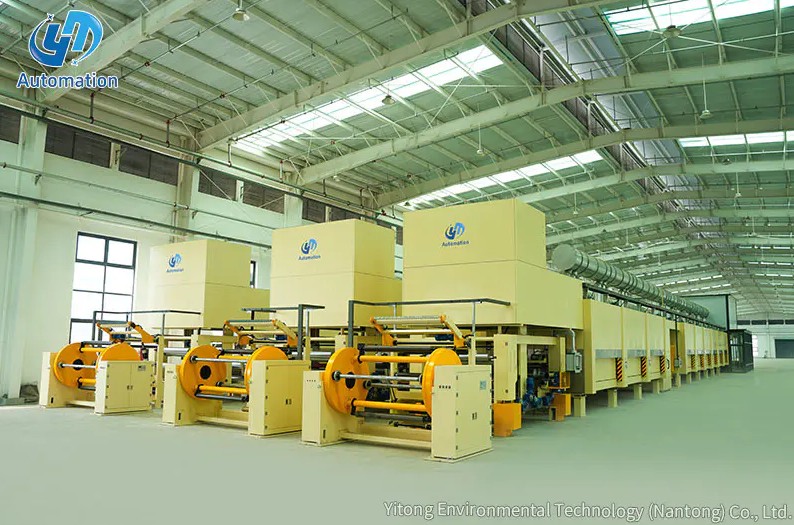
Az Ytinte Forgó letekercselő úgy tervezték, hogy megfeleljen a papír-, fólia-, fólia- és nemszőtt alkalmazásokra vonatkozó specifikációs követelmények teljes skálájának, a precíz feszítésszabályozást robusztus keretszerkezettel és szalagvezetéssel kombinálva, hogy konzisztens, stabil szalag-adagolást biztosítson a későbbi átalakítási és nyomtatási folyamatokban.
Lépjen kapcsolatba velünk
Ajánlott termékek
Lépjünk be
Érintés
A Yitong Environmental Technology (Nantong) Co., Ltd. impregnáló berendezésekre szakosodott gyártó.


Lépjen kapcsolatba velünk
Phone: +86-19555016088
Email: [email protected]
Add:A Haiyan úttól délre, a Nanhai úttól nyugatra, a Tongzhou-öböl Jangce folyó-tenger közös fejlesztési demonstrációs övezete, Jiangsu, Kína